The 15-Second Rule
Almost every year as I prepare for fundraising in the fall, I realize my organizational messaging has gotten a little cluttered.
At the beginning of the year, my language is clear and tight - here’s an example: We plant urban community gardens that provide fresh food and bring neighbors together.
By the end of the year I’m fighting through something along the lines of: We partner with diverse stakeholders to cultivate sustainable, community-centered urban gardening initiatives that address food insecurity, promote environmental stewardship, foster neighborhood engagement, and create scalable models for long-term impact in under-resourced areas.
It happens to all of us. We try to say everything in one statement. It’s not necessary. The reason is simple: stories.
Fresh, concrete stories to bring the mission to life.
It’s like fishing without bait on the hook.
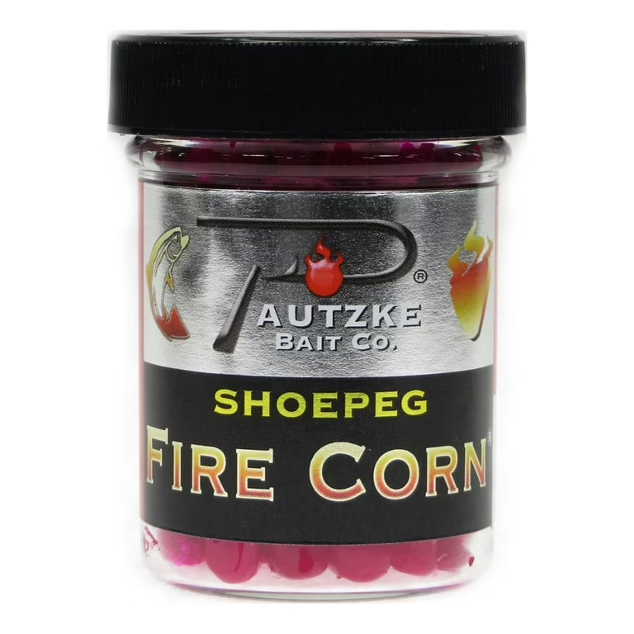
You can have the right location. The right equipment. The right timing. But if there’s not some tasty Fire Corn on the hook, those Kokanee salmon are going to swim right on by.
I’ve experienced it. Years ago, I was leading fundraising for an effort focused on unity and collaboration among Christian leaders around the world. We invested a lot of time crafting the message. It was thoughtful and compelling. It made sense. We talked about partnership, alignment, and shared mission.
What we didn’t have were enough stories. Stories about what had actually happened between those leaders.
Eventually, different questions started surfacing in giver conversations. Is this actually working? It was rarely out loud, but you could feel it.
Those are hard questions to recover from, especially in major gifts. If the work doesn’t feel viable, it’s difficult for someone to step into it.
But what happens when you add the Fire Corn?
Within the global generosity movement, there were plenty of resources for adults but very little for kids and teenagers. So when we talked about creating something for the next generation, people thought it was a good idea. On paper, at least.
But everything changed when we showed what was already happening. Kids playing games that encourage generosity. Stories of kids giving in their schools and neighborhoods. Simple, tangible glimpses of what it could become.
People leaned in. They asked questions. They started sharing their own stories. And eventually, they asked how they could help.
That’s when you know the message is working.
People want to hear more.
They begin connecting it to their own lives.
As you prepare for the fall, don’t start by polishing your messaging. Start by gathering your stories.
What have you actually seen?
What has changed?
Whose life is different because of the work?
If those answers aren’t clear, the message will almost always feel thin, no matter how well it’s written. Once we have the stories, we can build the message around them.
It’s fine to begin with vision. But resist the temptation to explain the entire model. Most people don’t need to know how everything fits together - not yet.
Here’s a simple rule I’ve found helpful: Fifteen seconds earns five minutes.
Five minutes earns thirty.
Thirty minutes earns two hours.
Eventually, that may become a weekend experience or a vision trip to see the work firsthand.
But it starts by earning the right to say more through saying less. That’s where practice matters. Rehearse your stories. Tell them out loud. Adjust them. Notice where you’re overexplaining or drifting into abstractions.
Sometimes I write first and then practice verbally. Other times I simply start talking and refine from there.
I also create scenarios. What would I say if I had two minutes with the head of The Gates Foundation? A Fortune 100 CEO? A local business owner? Or the person sitting next to me on a plane who asks, “So what do you do?”
In that moment, I try to answer as though they’re exactly the person I’d most love to engage. It does force clarity.
The In-Law Test

Another filter I use often is the in-law test. If I can explain what we’re doing in a way that keeps my mother-in-law or father-in-law interested, I’m probably getting close. If not, there’s still work to do.
Underneath all of this is a reminder that is just as important as the messaging itself. You don’t need to say everything. In fact, you shouldn’t.
Aim to spend about fifteen percent of your time talking and eighty-five percent listening. Ask questions. Pay attention. Learn what actually resonates.
The message isn’t something you deliver once. It’s something that takes shape in conversation.
So if you’re heading into the fall and want to sharpen your message, block out a little time. Start with your stories. Rehearse them. Simplify them. Say them out loud until they sound natural.
When people can see the work, they can imagine themselves becoming part of it.
* * * * * * * * * *
If you haven’t explored the free resources I’ve created for major gift fundraisers, this is a great place to start:
- Follow me on LinkedIn for daily pro tips and reflections.
- Major Gift Fundraising MRI Scan - a short, story-based assessment to help you name your instincts and clarify your posture.
- JappaFry Writer - an AI tool shaped by 30+ years of real-world experience, teaching, and strategy.
- Breakthru Newsletter, Blog, and Podcast - ongoing reflections, conversations, and practical guidance for the work you care about most.
These resources are designed to meet you where you are - and help you move forward with clarity and confidence.
If you’d ever like to talk, you can always schedule a free introductory call. I'd love to get acquainted and hear what you’re navigating right now.
For organizations ready for more structured support:
You may not need a full-time development leader - at least not yet. Sometimes what’s needed is clearer thinking. Sometimes more consistent action. And sometimes, for a season, real leadership.Here are a few ways we can start building momentum together:
* Online Catalyst Course ($199) - A complete brain dump of 30+ years in major gift fundraising - the good, the hard, and the surprisingly joyful. Built around strong fundamentals, the sacredness, and yes, even the fun. Infused with insights from Henri Nouwen. Many who take this course find it gives them everything they need to build healthy, sustainable systems.
* Live coaching ($300-400 / 90 minutes) - Think of this as "brain rental". Focused, strategic, and highly practical. The kind of time that brings clarity quickly and creates real momentum.
* Laser-focused session ($99 / 45 minutes) - For one specific moment that matters - preparing for a high-stakes conversation, navigating an invitation, or working through a decision that needs clarity.
* Fractional Director of Development - For a small number of organizations, I step in more deeply - bringing clarity to your message, movement to key relationships, and structures your team can sustain long after I’m gone.
In the first 90 days, you can expect:
- clearer, more confident communication of your vision
- more meaningful engagement with top givers and prospects
- renewed movement in relationships that may have stalled
- simple, actionable next steps after each interaction
- a sharper sense of who is ready to be invited - and who is not
Most fractional engagements range from $2,500 - $7,500+ per month depending on the level of involvement.Not sure what kinds of support you need? I can point you to a simple Development Readiness Assessment - just reply and let me know.
And don’t miss connecting with my colleague Ivana Salloum - she's wonderful and can help with scheduling, resources, and getting you where you need to go.
Thank you for the work you do. Truly.I’d love to hear what’s unfolding in your world - and how I can come alongside you.